Wishkey Typeface Review: A Bold Display Font for Creative Branding
I remember staring at a blank brand board late on a Tuesday, the cursor blinking mockingly in the center of my screen. The client wanted a boutique identity that felt personal yet undeniably bold—a tricky balance to strike without leaning into clichés. I had a stack of premium fonts open, but they all felt too corporate or too generic. That was when I decided to test Wishkey, a display font described as perfect for designs aiming to convey a creative, bold, and personal touch. I wasn't just looking at the character sheet; I needed to see how it would hold up under the pressure of a real-world project.
The moment I typed out a logo concept for a handmade shop branding project, the vibe shifted instantly. Wishkey isn't just another typeface; it brings a dynamic and cool look that feels ready-made for projects needing personality. But does it work beyond the initial "wow" factor? After running it through a full visual refresh for a local café, creating packaging mockups, and even drafting social media layouts, here is what I found about this versatile design asset.
First Impressions: Personality in Every Stroke
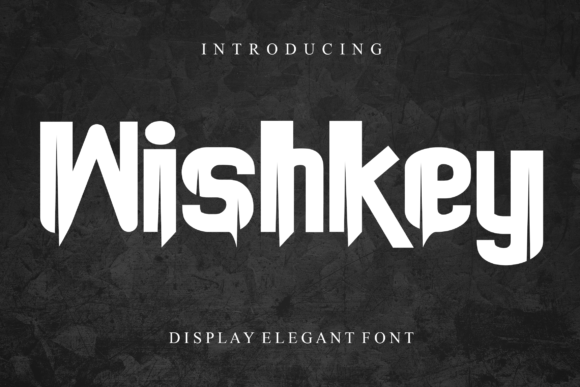
When you first load Wishkey, you notice its distinct character immediately. Unlike rigid sans serif fonts that often feel sterile, or overly ornate script fonts that can be hard to read, Wishkey sits in that sweet spot of modern typography where creativity meets function. It has a handcrafted feel without looking messy. The strokes vary in weight in a way that suggests movement, making it an excellent choice for a headline font or a logo design where you need to grab attention instantly.
In our café project, we used Wishkey for the main signage. On the computer screen, it looked great, but the real test was seeing it on a physical mockup. When placed on a wooden shop sign or a product label, the font didn't lose its impact. Instead, it seemed to gain texture. The bold nature of the letters gave the brand a confident voice, while the subtle irregularities added that human element clients are always chasing. It conveys a mood that is welcoming yet stylish, which is exactly what a creative studio or a craft business needs.
Real-World Performance Across Design Assets
One of the biggest challenges with any display font is versatility. Can it handle more than just a big title? I put Wishkey to the test across various design assets to see if it could stand up to a complete brand identity system.
- Logo Design: As a primary logo font, Wishkey shines. Its unique shapes make it memorable, which is crucial for brand recognition. We tested it on a business card, and the bold letterforms created a strong focal point that drew the eye immediately.
- Packaging Design: For a skincare product brand, we used the font on the front label. The dynamic look worked beautifully against a clean background, giving the product a premium feel. However, we kept the secondary text minimal because long body text is not where this font belongs.
- Social Media Graphics: In the era of Instagram and TikTok, visuals need to stop the scroll. Wishkey performed exceptionally well in headers for promotional posts. The "cool" factor mentioned in its description translates perfectly to digital screens, ensuring your content stands out in a crowded feed.
- Web Design: We integrated Wishkey into a website header for a creative portfolio. It set the tone for the entire site, acting as a strong anchor. While it shouldn't be used for navigation menus or small UI elements, it is perfect for hero sections and section titles.
The font's ability to convey a personal touch makes it particularly effective for editorial design and flyers. When designing a poster for a local event, the font's expressive quality helped communicate energy and excitement better than a standard geometric sans serif ever could.
Where Wishkey Fits (and Where It Doesn't)
While Wishkey is a powerhouse for creative applications, it is important to understand its limitations. This is a display font, meaning it is best used for short phrases, headlines, logos, and accents rather than long paragraphs of copy. If you attempt to use it for body text in a book or a detailed report, readability will suffer. The stylistic flourishes that give it character can become distracting when scaled down to small sizes, such as on a fine print legal disclaimer or a dense menu list.
Furthermore, for formal corporate use—think law firms, financial institutions, or medical practices—Wishkey might be too informal. These industries usually require a level of seriousness and neutrality that this creative font simply cannot provide. Stick to using it for brands that want to express individuality, artistry, or a relaxed lifestyle.
Mastering Font Pairing and Technical Details
To get the most out of Wishkey, you need to know how to pair it correctly. Since it is so visually active, it needs a calm partner to create balance. A clean sans serif font works wonders alongside it, providing a neutral ground for supporting information. For example, pairing Wishkey with a simple geometric sans like Helvetica or Futura creates a modern contrast that highlights the uniqueness of the display font.
If you are going for a more vintage or artisanal vibe, try combining Wishkey with a classic serif font. The mix of the bold, dynamic display style with the traditional elegance of a serif can create a sophisticated yet approachable brand identity. Avoid pairing it with other display fonts or scripts, as this can quickly lead to visual clutter and a lack of hierarchy.
Before committing to a final project, I recommend checking the included styles, alternates, and ligatures. Many premium fonts come with swashes or alternate characters that can add extra flair to specific words. Testing these variations in your software before finalizing the design can save you time later. Also, verify the file formats and webfont availability. If you plan to use Wishkey on a website, ensure you have the correct webfont licenses to avoid technical issues or legal headaches.
A Final Note on Licensing and Testing
As an experienced designer, I always remind myself (and my clients) to review commercial font licensing carefully. Using a font like Wishkey in client work, especially for merchandise, templates, or print-on-demand products, requires the proper permissions. Make sure your license covers the intended usage, whether it is for digital products, physical goods, or broadcast media. Skipping this step can lead to costly disputes down the line.
Ultimately, Wishkey is a tool that rewards experimentation. It is perfect for designs that aim to convey a creative, bold, and personal touch. By testing it in realistic scenarios—from a coffee cup sleeve to a website hero—you can see exactly how it elevates your work. If you are looking for a font that adds a dynamic and cool look to your variety of design projects, Wishkey is definitely worth adding to your toolkit. Just remember to use it where it shines: as a statement piece that commands attention and leaves a lasting impression.